Professional Guidance for Finding the Right Home Security for Your Needs
When it comes to home security, you should make informed selections adapted to your requirements. Start by analyzing your property and talking about issues with your family. Contemplate what features carry the most weight, from alarms to smart technological solutions. But how do you find the right balance between protection and budget? There are essential factors to explore further that can enable you to pinpoint your options effectively.
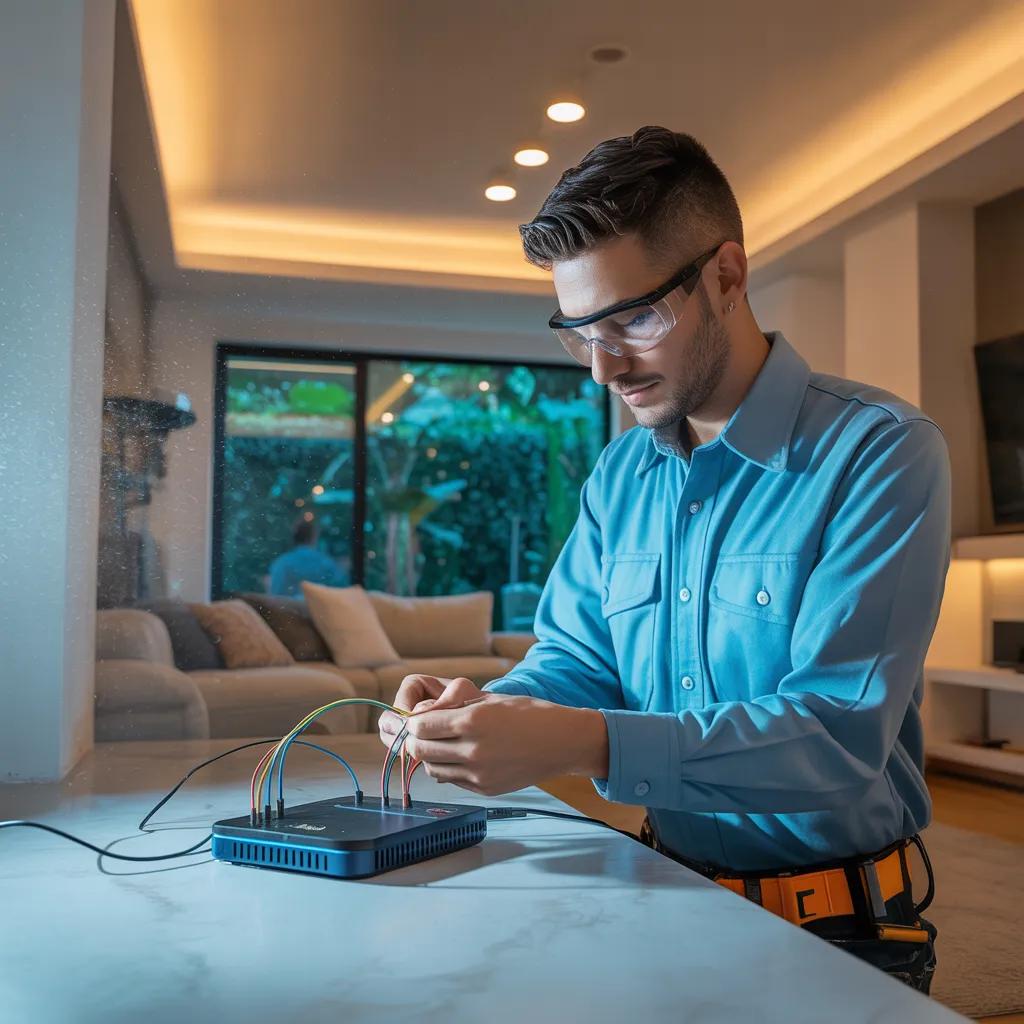
Learn About the Finest Forms of Home Security Systems
Regarding home protection, knowing about the best types of security systems available can make all the difference. You'll find a variety of options tailored to fit your needs. Alarm systems act as a first line of defense, warning you and authorities to unauthorized access. Surveillance cameras deliver real-time monitoring, enabling you monitor your property from anywhere. Smart home systems integrate security features with your home automation, providing convenience and control. Additionally, motion detectors can inform you to any movement in sensitive areas. Opting for a combination of these systems can enhance your overall security. Research each option and consider how they complement each other to create a comprehensive security network for your home.
Grasping Your Safety Requirements
How can you determine what security measures your home genuinely requires? Begin by evaluating your property. Identify susceptible areas, including entry points or windows, and assess the neighborhood's safety level. Evaluate your lifestyle—do you travel frequently or work late hours? This can affect your security demands.
Next, consider what you value most. Is it safeguarding against burglary, crisis detection, or both? Make a list of essential features, such as cameras, alarms, or smart home integration.
Don't forget to bring in your family in the conversation. Their insights can uncover specific concerns you might fail to consider. Finally, understanding your specific security needs will help you choose a system that gives peace of mind and fits seamlessly into your daily life.
What Budget Do You Have for Home Security?
After assessing your security needs, the next step is to contemplate your budget for home security. Figure out how much you can spend on equipment, installation, and ongoing monitoring fees. It's vital to strike a balance between adequate protection and affordability. Look at the various options available, from basic systems to advanced setups, and consider your long-term financial commitment. Don't forget to factor in potential discounts for combining services or long-term contracts. Remember, investing in a quality security system can reduce costs in the long run by preventing theft and damage. Identify your needs, set a realistic budget, and choose a system that offers the best value for your peace of mind.
The Importance of Smart Technology in Home Security
While assessing your residential security options, embracing smart technology can significantly improve your protection. Smart security systems offer real-time alerts, permitting you to monitor your home from anywhere through your smartphone. You'll appreciate features like remote access to cameras and automated locks, which ensure peace of mind when you're away.
Additionally, smart sensors can identify unusual activity and send warnings instantly, allowing you address issues swiftly to potential threats. Integration with other smart devices—for example lights and alarms—creates an all-encompassing security network that wards off intruders.
Professional Versus Self-Monitoring Choices for Home Protection
When deciding between professional and self-monitoring options for home security, it's essential to evaluate the merits of each approach. Professional monitoring ensures round-the-clock surveillance by trained personnel, ensuring immediate response to emergencies. This can give you peace of mind, especially if you travel often or have a busy lifestyle. On the other hand, self-monitoring permits you to take charge of your security. You can adjust alerts and handle your system through an app, which can be more economical. However, it requires your attention and quick action in case of an alert. Assess your daily routine, budget, and comfort level with technology to figure out which option suits your lifestyle best.
Evaluating Feedback of Security Providers
When you compare security providers, you should focus on critical features that matter most to you. Carefully review pricing and packages to find the best fit for your budget. Finally, reviewing reliability and performance can help guarantee you choose a provider that truly protects your home.
Primary Features Comparison
When choosing a home security provider, it's important to compare key features that can significantly impact your safety and peace of mind. Begin by evaluating the types of equipment available, such as cameras, alarms, and motion sensors. Look for smart home integration, enabling you to control your system via mobile apps. Response times are essential too—check how promptly the provider responds to alarms. In addition, assess monitoring options; 24/7 professional monitoring offers an extra layer of security. Remember to evaluate warranties and customer support—reliable service can make a substantial difference in your experience. Lastly, read customer reviews to determine satisfaction levels with these features, ensuring you choose a provider that meets your particular needs and expectations.
Pricing Plans and Packages
Pricing structures and packages can fluctuate substantially among home security providers, so it's essential to do your homework. Start by evaluating monthly fees, installation costs, and any equipment charges. Some providers offer a basic package, while others may have graduated choices that include enhanced options like smart home integration or video surveillance. Look for any hidden fees, such as termination or maintenance costs, that could affect your overall costs. Reading customer reviews can provide you information into whether the pricing reflects the quality of service. Don't forget to consider contract lengths, as some companies require more prolonged contracts than others. Finding the right balance between price and features assures you get the best value for your home security needs.
Reliability and Performance
Choosing a home security provider isn't simply about expense; dependability and functionality are crucial elements that can significantly impact your peace of mind. Start by reviewing user reviews and expert ratings to assess how well distinct providers perform in real-world situations. Seek out consistent feedback about response times, system uptime, and customer service interactions. You'll require a provider known for reliability, especially during emergencies. Moreover, consider how their technology merges with your lifestyle—smart features can boost performance but only if they work seamlessly. Don't hesitate to ask existing customers about their experiences; firsthand accounts can uncover strengths and weaknesses you won't find in promotional materials. In the end, a trustworthy security system is worth the investment for your safety.
Tailoring Options for Your Home Security System
How do you guarantee your security system satisfies your particular requirements? Customization options are key. Start by assessing what areas of your home need protection. Do you need indoor cameras, outdoor motion sensors, or both? Then, consider smart home integrations. Many systems permit you to connect lights, locks, and thermostats for increased security and convenience.
You'll need to choose the right monitoring plan. Various systems feature 24/7 professional monitoring, while others let you monitor through a smartphone app. Additionally, think about adding features like video doorbells or home automation controls. Customizing your system makes certain it fits your lifestyle and improves your peace of mind. By customizing these elements, you create a security solution that's truly effective for you.
FAQ
What Is the Typical Installation Time for Home Security Systems?
Installation for home security systems typically takes between one and four hours, determined by the complexity of the system. You'll need to factor in equipment setup, the wiring process, and any extra features you'd like, so prepare for the appropriate installation duration.
Are Security Products Covered by Warranties or Guarantees?
Yes, most security products come with warranties or guarantees. They commonly cover equipment failures, ensuring your investment's protected. Always review the details before buying, as conditions can differ greatly among distinct brands and models.
Is It Possible to Integrate My Security System With Other Smart Devices?
Yes, you can integrate your security system with other smart devices. Most contemporary systems enable you to link with smart cameras, lights, and thermostats, boosting your home's security and convenience effortlessly.
What Happens During a Power Outage With My Security System?
In the event of a power outage, your security system will transition to battery backup, keeping it operational. That said, if the outage persists beyond a certain timeframe, the battery might drain, possibly compromising your security system's effectiveness until power is restored.
Do Security Services Come With Any Hidden Fees?
There can be hidden fees School Security Systems associated with security services. You might encounter installation charges, monthly monitoring fees, and fees for upgrading equipment. Be sure to examine the contract carefully to prevent surprise costs.